
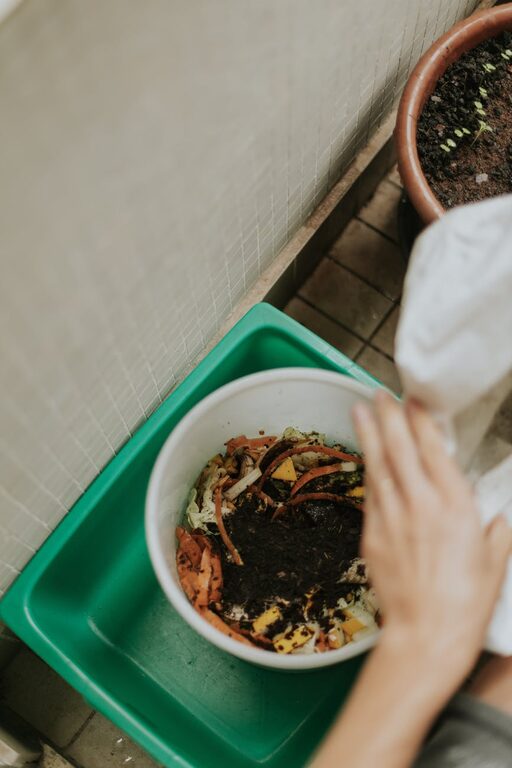
Composting at home is a fantastic way to reduce waste, enrich your garden soil, and contribute to a greener planet. If you’re new to composting, it can seem a bit overwhelming at first, but with the right approach, anyone can start a successful compost bin or pile. This guide will walk you through easy-to-follow tips to help you get started on your composting journey.
What Is Composting?
Composting is the natural process of recycling organic materials, such as food scraps and yard waste, into nutrient-rich soil called compost. This “black gold” improves soil structure, helps retain moisture, and provides essential nutrients for plants.
Why Start Composting at Home?
– Reduces landfill waste: Food scraps and garden debris make up a significant portion of household waste.
– Improves garden health: Compost supplies vital nutrients and beneficial microorganisms.
– Saves money: Reduces the need for commercial fertilizers and soil conditioners.
– Supports sustainability: Helps decrease greenhouse gas emissions from organic waste in landfills.
Getting Started: Beginner Tips for Home Composting
1. Choose the Right Composting Method
Depending on your space and lifestyle, pick a composting style that suits you:
– Compost bin: Ideal for small yards. Bins keep compost contained and tidy.
– Compost pile: Works well for larger spaces. Simply create a heap in a designated spot.
– Tumbler composters: Closed containers that can be rotated for faster aeration.
– Vermicomposting: Uses worms to speed up decomposition, great for indoor composting.
2. Pick the Perfect Location
Select a spot that’s:
– Convenient to access
– Well-drained to avoid waterlogging
– Partially shaded to maintain moisture and temperature balance
3. Understand What to Compost
Feed your compost with a balanced mix of:
– Greens (Nitrogen-rich): Fruit and vegetable scraps, coffee grounds, fresh grass clippings
– Browns (Carbon-rich): Dry leaves, straw, cardboard, paper towels (unbleached)
Avoid adding meat, dairy, oily foods, and pet waste to prevent odors and pests.
4. Maintain the Right Balance
Aim for roughly three parts browns to one part greens. This balance helps microbes break down material efficiently without creating bad smells.
5. Keep Your Compost Aerated
Microbes need oxygen to thrive. Turn your compost regularly—once every one to two weeks is a good rule of thumb—to introduce air and speed up decomposition.
6. Monitor Moisture Levels
Your compost should feel like a wrung-out sponge—not too dry and not soggy. Add water if it’s too dry or more browns if it’s too wet.
7. Be Patient and Observe
Composting takes time. In warm conditions, it may take a few months; in colder climates, it could take up to a year. Watch for dark, crumbly soil and an earthy smell — signs your compost is ready to use.
Common Composting Mistakes to Avoid
– Adding inappropriate materials like dairy or cooked food
– Neglecting to turn or aerate the compost
– Overwatering or keeping the pile too dry
– Ignoring problem odors or pests, which indicate imbalance
Using Your Finished Compost
Once your compost looks like rich soil, incorporate it into your garden:
– Mix it into garden beds to improve soil quality
– Use it as mulch around plants to retain moisture
– Add it to your potted plants for added nutrients
Bonus: Tools and Supplies to Help You Compost
– Garden fork or compost aerator for turning
– Compost bin or tumbler to keep piles tidy
– Kitchen compost caddy for collecting scraps easily
– Thermometer to monitor compost temperature (optional)
Final Thoughts
Starting a compost bin at home is a rewarding and eco-friendly habit. By following these beginner tips, you’ll quickly master the process and enjoy the benefits of homemade compost. Remember, composting is a learning experience, so don’t be afraid to experiment and adapt based on your environment and needs.
Happy composting!