
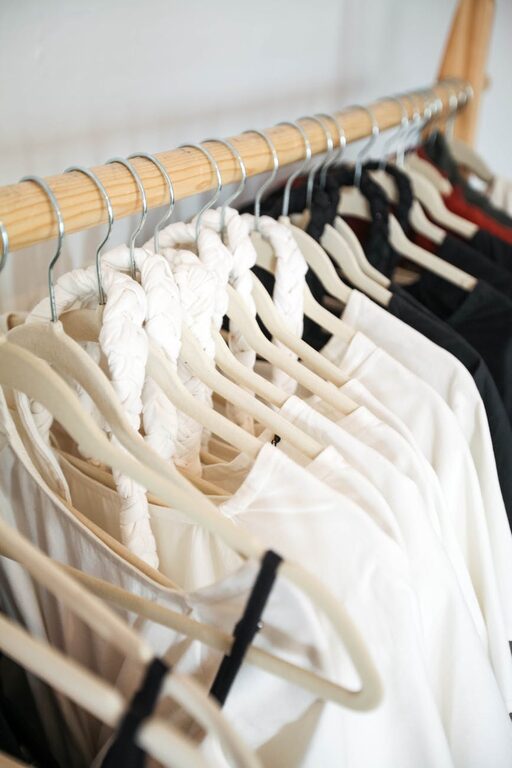
Building a capsule wardrobe is a smart way to simplify your closet and create a versatile collection of clothing that works for any occasion. Whether you’re aiming to reduce clutter, save time, or focus on sustainable fashion, a capsule wardrobe can help you achieve a more organized and stylish daily routine.
In this guide, we’ll walk through the basics of building a capsule wardrobe, including selecting key pieces, choosing a color palette, and tips for maintaining your collection over time.
What Is a Capsule Wardrobe?
A capsule wardrobe is a curated selection of essential clothing items that can be mixed and matched easily to create a wide range of outfits. The idea is to own fewer pieces, but make sure each one serves a purpose and fits well with the rest. This approach encourages quality over quantity, helping you dress confidently with less stress.
Benefits of a Capsule Wardrobe
– Saves time: Less decision-making in the morning since everything coordinates well.
– Saves money: Focus on buying quality essentials rather than fast trends.
– Reduces clutter: A tidy closet with only what you need and love.
– Encourages sustainability: Fewer purchases and more mindful consumption.
– Improves style consistency: Develop a personal style that feels coherent.
Step 1: Assess Your Lifestyle and Needs
Before choosing items, consider your daily activities, climate, and style preferences. Ask yourself:
– What do I wear most often? (work, casual, special occasions)
– What types of clothing are practical for my environment?
– What colors do I feel comfortable and confident in?
Knowing these details helps you pick pieces that truly work for you.
Step 2: Choose Your Color Palette
A capsule wardrobe works best when the colors complement each other. Start with:
– Base neutrals: Black, white, gray, navy, beige – these form the foundation.
– Accent colors: Pick 1-2 colors that suit your style and add personality.
– Avoid too many bright colors to maintain mix-and-match ease.
Example palette: Navy, white, gray, with accents of olive green or burgundy.
Step 3: Select Your Core Pieces
Typical capsule wardrobes have around 30-40 items including tops, bottoms, outerwear, and shoes. Here’s a basic checklist:
Tops
– 3-4 T-shirts (neutral colors)
– 2-3 blouses or shirts (casual/formal mix)
– 1-2 sweaters or cardigans
Bottoms
– 2 pairs of jeans or casual pants
– 1 pair of tailored trousers or dress pants
– 1 skirt (optional, depending on your style)
Dresses
– 1-2 versatile dresses that can be dressed up or down
Outerwear
– 1 lightweight jacket or blazer
– 1 coat suitable for your climate
Shoes
– 1 pair of comfortable sneakers or flats
– 1 pair of dress shoes or boots
Accessories
– Simple scarves, belts, or handbags that complement your palette
Step 4: Focus on Quality and Fit
Since your wardrobe is smaller, each piece should be high-quality and well-fitting. Look for durable fabrics such as cotton, wool, or linen that will last and feel good. Proper tailoring can also make a big difference in how your clothes look.
Step 5: Organize and Maintain Your Wardrobe
– Rotate seasonally: Store out-of-season items to keep things neat.
– Keep it tidy: Regularly donate or sell items you no longer wear.
– Shop mindfully: Replace worn items with thoughtful purchases, sticking to your color palette and style.
Additional Tips for Success
– Experiment with layering to create varied looks.
– Use accessories to add interest without cluttering.
– Take photos of your favorite outfits for inspiration.
– Give yourself time when transitioning; a capsule wardrobe is a process.
Conclusion
Building a basic capsule wardrobe is a rewarding way to simplify your daily routine and refine your personal style. By choosing versatile, quality items that suit your lifestyle, you’ll enjoy a more intentional approach to fashion that saves time, space, and money.
Start small, stay consistent, and watch your wardrobe transform into a helpful, manageable collection that truly reflects you. Happy dressing!